Punta Cana Hurricane Season: What It Means For Outdoor Tours
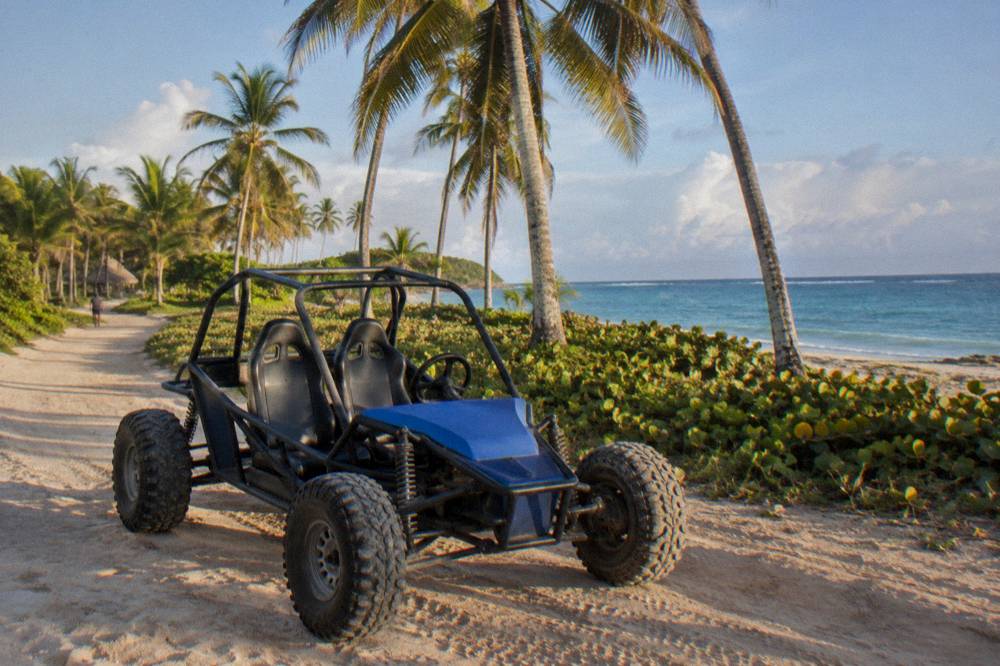
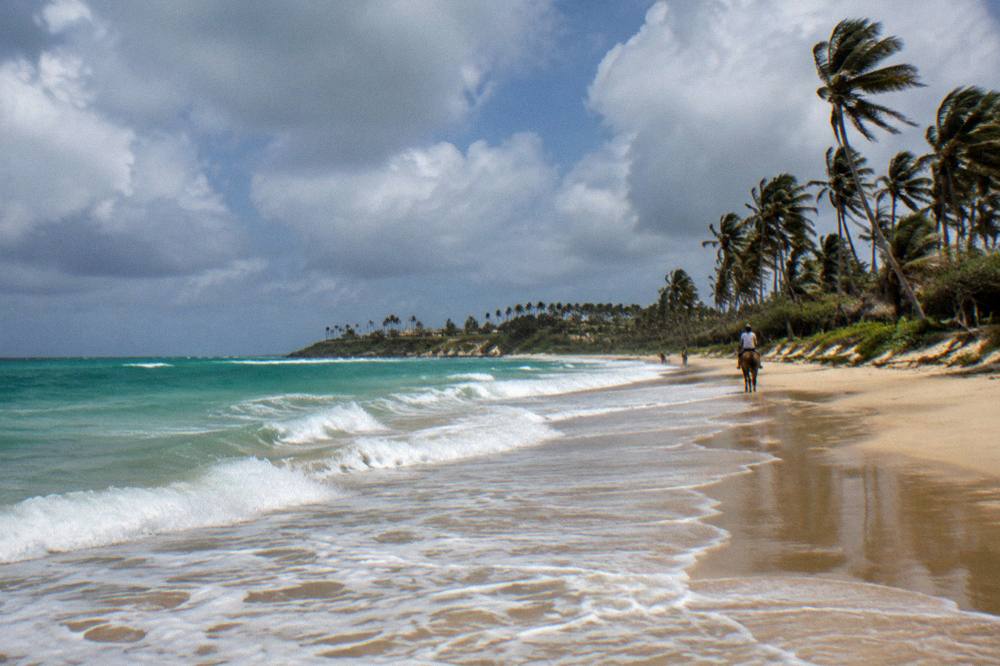
Hurricane season overlaps half the year in Punta Cana, yet most weeks the buggy convoys still roll. This guide separates the real risk window from the routine afternoon rain.
Short answer
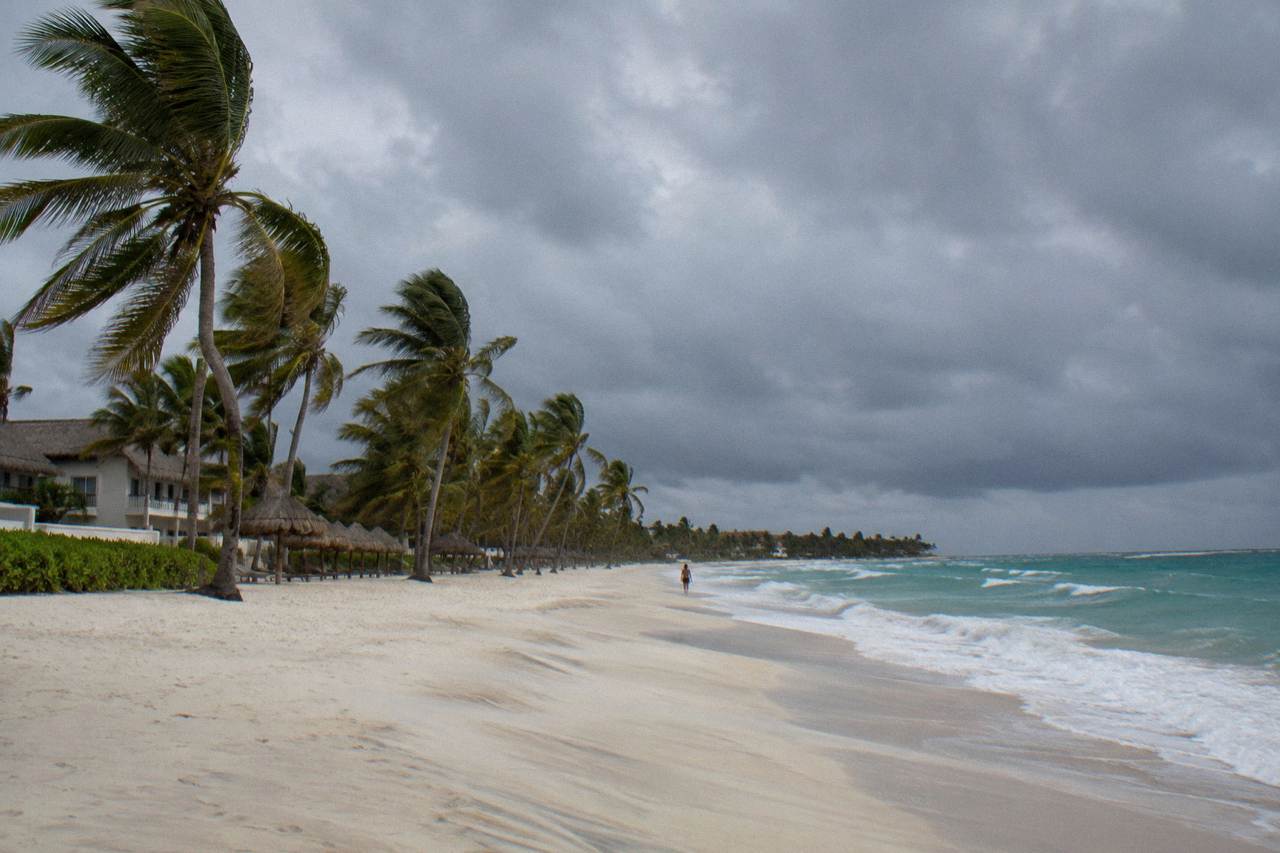
Hurricane season runs 1 June to 30 November in the Atlantic, but most weeks in that window bring ordinary rain, not storms. Buggy and ATV tours run in normal rain, and every listing here carries free cancellation. The practical planning question is the monthly rain pattern, not the season label.
Storm season sounds like a reason to cross six months off the calendar, and Punta Cana visitors routinely over-worry it. The Atlantic basin does run an official hurricane season from 1 June to 30 November, and the National Hurricane Center is the authority that defines that window. What the label does not tell you is how few of those days involve an actual tropical system anywhere near the Dominican Republic's east coast, or how the buggy and ATV operators who work Macao Beach and the Bavaro backcountry all year actually handle rain.
What follows sets what the operators themselves publish about weather, rain, mud and cancellation against the long-term climate record for Punta Cana. The short version: a named storm near Punta Cana is the exception, rain is routine in the wet months, and the tours mostly run through the routine part. The one decision that matters for a visitor is which month you travel in and which time of day you book. If you want the wider picture beyond tour weather, our guide to whether Punta Cana is safe to visit right now covers what operators and official sources say about everything from driver rules to hurricane season.
When Exactly Is Hurricane Season In Punta Cana?
Hurricane season in the Atlantic basin runs from 1 June to 30 November, and Punta Cana sits inside that basin on the Dominican Republic's east coast. The dates are set by the National Hurricane Center, which also notes that tropical cyclones occasionally form outside them. For practical purposes the season label covers exactly half the year, which is why it deserves unpacking rather than a reflexive no-book verdict.
The season is a statistical window, not a forecast. A hurricane season designation means the conditions that allow tropical cyclones to form exist during those months, somewhere in a basin that stretches from the Caribbean to the west coast of Africa. It does not mean a storm is present, likely or aimed at any particular island. In late October, the NHC home page was still carrying its outlook for a below-normal Atlantic season, a reminder that some seasons pass with far fewer storms than the label implies.
For Punta Cana specifically, the geography helps. The more frequent risk during the season months is ordinary tropical rain rather than cyclones. That distinction shapes everything below: the rain data matters weekly, the hurricane data matters per season. If you want to see how that rain risk shifts across the year, our month-by-month guide to Punta Cana weather for buggy and ATV tours lays out the driest stretches for off-road trails.
If you want the authoritative live picture, the National Hurricane Center's tropical weather outlook is updated several times a day and is the same source airlines and operators watch. Check it during your travel week rather than months out, because outlooks beyond a few days carry little skill.
Does Hurricane Season Mean Rain Every Day In Punta Cana?
No. The wet half of the year in Punta Cana typically brings 13 to 16 rainy days per month, which still leaves many days dry or only briefly wet. Long-term averages put October rainfall around 142 mm and February around 55 mm, a real difference but not a monsoon-versus-desert split. Tours run through ordinary rain, and the wet months mainly change your odds of a soggy hour, not your whole trip.
The long-term climate record for Punta Cana shows a winter dry season roughly December through April and wetter conditions the rest of the year. Averages only describe tendency. A July week can pass without a drop, and a March afternoon can dump a brief shower.
| Month | Avg. rainfall (mm) | Avg. rainy days | Avg. daily high |
|---|---|---|---|
| January | 67 | 16 | 28°C |
| February | 55 | 12 | 28°C |
| March | 53 | 12 | 29°C |
| April | 73 | 11 | 30°C |
| May | 131 | 13 | 30°C |
| June | 112 | 14 | 31°C |
| July | 92 | 16 | 32°C |
| August | 101 | 16 | 32°C |
| September | 109 | 15 | 32°C |
| October | 142 | 16 | 31°C |
| November | 119 | 16 | 30°C |
| December | 89 | 17 | 29°C |
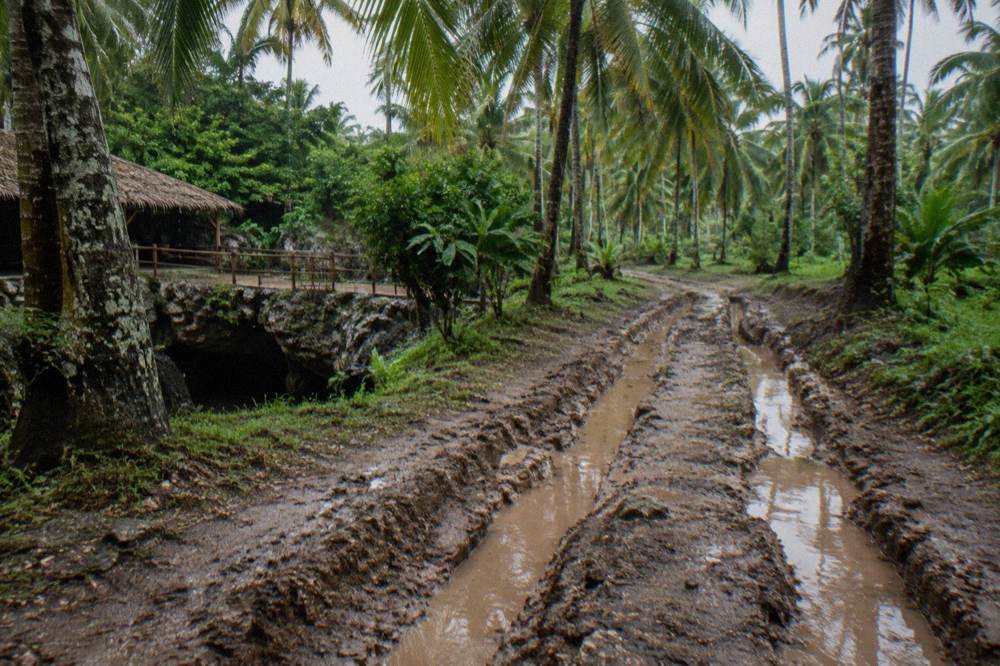
Operators describe muddy trails as part of the fun rather than a refund trigger, a point the listings return to again and again.
One more nuance: the wettest averages coincide with the warmest sea temperatures, and the wet months are when the countryside inland from Macao Beach is at its greenest. Some travellers deliberately book the shoulder of the wet season for greener trails and the chance of a cooling shower mid-ride, accepting a muddier buggy in exchange.
If you are comparing a buggy against a quad for wet trails, our ATV versus buggy comparison covers how the two formats handle mud and dust.
Do Buggy And ATV Tours Still Run During Hurricane Season?
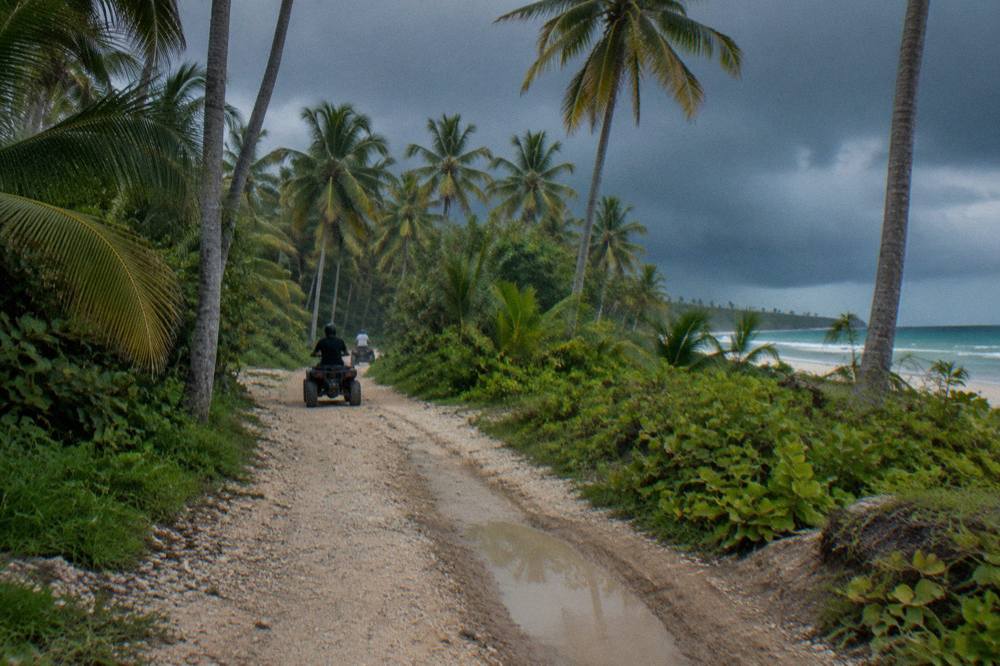
Yes, for ordinary rain. Operators state tours generally run rain or shine, with mud treated as part of the experience, and cancellation is reserved for severe weather. Every buggy and ATV listing here carries free cancellation, so the financial risk of a wet-season booking is low.
The Punta Cana Buggy or ATV Tour with Cenote & Beach Stops runs from $24 per person, rates 4.7 from 647 reviews, and covers a four-hour loop to Cueva La Posa cenote, Macao Beach and a traditional Dominican house with local product tastings. For a shorter commitment in an unpredictable week, the Extreme Buggy From Punta Cana runs 3 hours 30 minutes from $28 per person, rates 4.7 from 18 reviews, and includes private transportation. At the premium end, the Small Group 4x4 ATV Punta Cana jungle tour runs 5 hours from $67.99 per person with a perfect 5.0 from 70 reviews, hotel pickup and non-alcoholic drinks included.

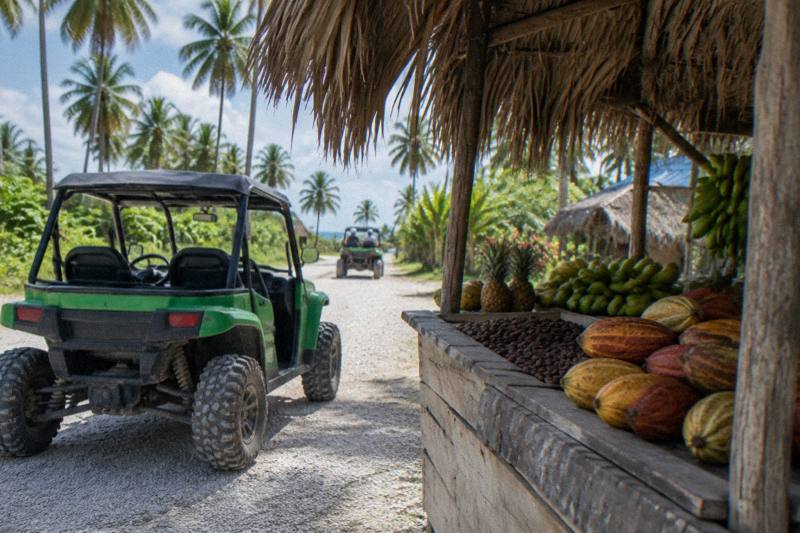
Why does rain not stop these tours? Two reasons from the listings themselves. First, the vehicles are built for it: the routes deliberately use jungle trails, dirt tracks and off-road paths, and several operators explicitly describe muddy patches after rainfall as expected and enjoyable, with buggies sometimes pausing briefly in deep mud or water. Second, tropical storm watches and warnings are issued ahead of time by the National Hurricane Center, which gives operators warning before a cancellation.
Group size matters in the wet months too. The most-reviewed shared tours run big convoys, and the listing for the Macao OffRoad Experience buggy and ATV tour, 4.2 from 3,273 reviews and from $35 per person, is a typical example of the volume format. A small-group alternative such as the 4x4 ATV jungle tour, capped by its small-group format, means fewer vehicles to regroup if a shower crosses the route.
For families weighing the same question, the choices narrow differently: our family buggy tours guide lists which wet-season-friendly listings suit younger riders as passengers.
What Happens If A Storm Cancels Your Tour?
When an operator cancels for severe weather, you are refunded or rebooked, and the free-cancellation terms every listing here carries mean a weather-spoiled booking does not become a lost payment. Operator listings state cancellation happens only for genuinely severe conditions, not routine rain. Read the confirmation email for the exact rebooking terms, since they are set by each operator.
The distinction between operator-cancelled and guest-cancelled matters. If the operator calls the day off, the remedy is theirs to offer: a refund, a free move to another day, or both, and the live listing spells out which. If you decide independently not to show up because the sky looks gray, the free-cancellation window is what protects you, and on every tour listed here that window is listed. Most of these tours follow the same rule: a full refund if you cancel at least 24 hours before the start time, and none inside that final day. That makes the 24 hour mark the moment to check the forecast, because a tropical storm watch or warning is announced by the National Hurricane Center ahead of time rather than dropping on you at departure. If a watch is already up when the cutoff arrives, you can still pull out with your money back; if you wait past it, a gray sky becomes your own cost. Booking with a day or two of buffer in your trip makes the rebooking option genuinely usable.
Timing helps as much as policy. A morning departure gives you the whole afternoon as a fallback slot. Our piece on choosing between slots, morning versus afternoon buggy tours, works through the trade-offs in detail, and the logic sharpens during hurricane season.
| Scenario | Who decides | Typical outcome | What to check |
|---|---|---|---|
| Light rain on departure morning | Operator, tours run | Tour proceeds, muddy trails | Confirmation email for meeting point changes |
| Heavy downpour mid-tour | Guide | Brief pause, route continues | Guide instructions on the day |
| Tropical storm warning for the area | Operator | Cancellation with refund or rebook | Live listing's cancellation terms |
| You choose not to attend | You | Free cancellation if within window | The window length on the listing |
One practical habit: keep your phone reachable on the morning of the tour. The listings describe pickup times being emailed within 24 hours of booking, and an operator moving or cancelling a departure will use the contact details you gave.
Which Months Are Best If You Want To Avoid The Risk?
February and March sit in the dry season outside hurricane season, averaging 55 mm and 53 mm of rain on 12 rainy days each, and April adds warmer 30 C highs while staying relatively dry at 73 mm. December through April is the classic low-risk window. Booking inside hurricane season buys easier availability at the cost of higher rain odds, not a meaningfully higher storm risk on any given week.
| Travel window | Season | Rain profile | Trade-off |
|---|---|---|---|
| December to February | Dry season | 55 to 89 mm per month | Peak crowds and prices |
| March to April | Dry to shoulder | 53 to 73 mm per month | Warm, still reliable |
| May to August | Hurricane season | 92 to 131 mm per month | Greener landscape, quieter |
| September to November | Hurricane season peak | 109 to 142 mm per month | Lowest availability pressure |
The November shoulder deserves a special word. The season officially closes on 30 November, and the transition into December brings sharply reduced cyclone risk on top of falling rain averages. Late November travellers often find the quiet of the wet months with the stability of the dry ones approaching, though the climate averages still list 16 rainy days for the month.
For context on what else the calendar affects, our Punta Cana weather month-by-month guide covers the full year and pairs naturally with this storm-season picture.
Do Operators Charge Less In Hurricane Season?
Among these tours, entry prices do not carry a stated hurricane-season discount: the cheapest buggy listing starts from $22.40 per person year-round and the premium small-group 4x4 runs from $67.99. What changes in the wet months is availability pressure, not list price. Fewer travellers mean more open seats, easier morning-slot choices and more rebooking flexibility if weather moves your day.
That matters more than a discount would. In peak dry season, a cancelled morning may leave no same-day alternative because the convoys are full. In quieter months, the same cancellation is more likely to convert into an afternoon or next-morning departure. Travellers who book a Friday tour with a Saturday fallback effectively self-insure, and that strategy is free.
The price spread across the tours listed here is wide enough to shop deliberately. The Off Road Adventure in Buggy and Cave listing starts from $23 per person with a 4.9 rating from 38 reviews, while the Buggy or ATV Tour with Macao Beach, Cave and Tastings from GDP Excursions runs from $29 per person and rates 4.9 from 2,170 reviews, including premium cigar, mamajuana and cacao tastings. At the top of the range, combos such as the Bavaro Adventure Park buggy, zipline and waterfall pool package run from $139 per person including lunch. Our full price breakdown is in the Punta Cana buggy tour prices guide.
What Should You Wear And Bring In The Wet Months?
Several operators require closed-toe shoes, and a change of clothes for after the ride is the single most useful wet-season item because muddy trails are normal after rain. Sunglasses and a bandana appear repeatedly on the exclusions lists, meaning you bring your own, and several listings exclude towels too. Nothing exotic is needed; the wet months mostly change how you dress for the ride home.
The gear facts come straight from the listings. Helmets and a safety briefing are named on many listings, goggles and bandanas are listed as exclusions to purchase or bring, and several listings specifically exclude towels and sunscreen as personal accessories. Swimsuits matter if your itinerary includes a cenote stop, which most of the Macao Beach routes do, and a dry bag or ziplock protects a phone far better than a pocket.
| Item | Why in the wet months | Included or bring your own |
|---|---|---|
| Closed-toe shoes | Operator requirement, muddy trails | Bring your own |
| Helmet | Safety gear | Named on many tour listings |
| Bandana and goggles | Dust when dry, splash when wet | Excluded, bring or buy |
| Towel and change of clothes | Cenote swim and mud | Excluded on several listings |
| Dry bag for phone | Rain bursts and splashes | Bring your own |
Our fuller packing treatment, including what to do with cameras, is in the what to wear on a buggy tour guide. The wet months add only the change of clothes and the rain consideration; the core kit is the same all year.
Does The E-Ticket Or Entry Process Change In Storm Season?
No. The Dominican E-Ticket, the free electronic entry and exit form completed at the official portal, is the same requirement year-round, generating separate QR codes for arrival and departure regardless of season. Entry rules are not relaxed or tightened for hurricane season. Complete it before you fly and save both codes; it has no bearing on tour weather at all.
The reason it belongs in a hurricane-season article is practical. If a storm disrupts your return flight, you will be re-issuing or adjusting travel documents quickly, and travellers who know the E-Ticket can be modified with the application code handle that faster. The official Ministry of Tourism entry requirements page is the source to check before any trip to the Dominican Republic, storm season or not.
Common Questions About Punta Cana Hurricane Season
When Is Hurricane Season In Punta Cana?
1 June to 30 November, the same window the National Hurricane Center defines for the whole Atlantic basin. Tropical cyclones occasionally form outside those dates, but the label refers to this six-month span.
Does Hurricane Season Mean It Rains All Day In Punta Cana?
No. Even the wettest months average around 16 rainy days, and rain often falls in short heavy bursts. Buggy and ATV tours routinely run through ordinary rain, and operators describe muddy trails as a normal part of the ride.
Do Buggy Tours Get Cancelled For Rain In Punta Cana?
Ordinary rain does not cancel them; listings state tours run rain or shine and cancellation is reserved for severe weather. Every listing here carries free cancellation, so check the live listing's terms before you book.
What Happens If A Storm Cancels My Tour?
The operator refunds or rebooks you, on terms stated on the listing. Booking early in your trip with a fallback day makes the rebooking option genuinely usable rather than theoretical.
Which Months Are Outside Hurricane Season In Punta Cana?
December through May. February and March are the driest on the long-term record, averaging 55 mm and 53 mm of rain, which is why they anchor the classic peak season.
Are Tours Cheaper During Hurricane Season?
List prices for the tours here do not carry a stated seasonal discount; the cheapest buggy listing starts from $22.40 per person year-round. What the wet months offer is open seats and flexible rebooking rather than a cheaper sticker.
The season label is the least useful piece of information about booking a Punta Cana buggy day. The monthly rain averages, the operator's cancellation terms and the slot you pick do the real work, and all three are in your control. Readers planning a full week of excursions can also pair an off-road morning with the beach itself; our Macao Beach buggy and quad tours guide covers the beach most of these routes finish on. Whatever month you land in, ATV Punta Cana keeps the full set of tours, prices and cancellation terms in one place.